 VapeWholesaleHub
Matcha Ice Future Outlook: Trends Worth Watching — First-Time Importers
If you are comparing matcha ice suppliers right now, you are probably looking at three quotes that look identical and cost very different amounts. That gap usually comes down to cell grade, coil consistency and how honest the factory is about tolerances. Let us unpack it.
What to Fix Before Approving Matcha Ice
Specification sheets are where a matcha ice deal is won or quietly lost. Two samples can look and taste the same while using different coil wire, different wicking density and different tolerances on the mouthpiece. Those details decide how the unit behaves in week three rather than minute three.
| Product category | Disposable |
|---|---|
| Resistance band | 0.6 - 0.8 ohm |
| Capacity tolerance | +/- 2% |
| Puff count method | Machine cycle 2s on / 18s off |
| Master carton | 400 units |
| Carton weight | 8.5 kg |
| Shelf life | 18 months |
| Storage | 15-25 C, dry, away from direct light |
Inspection Before Dispatch
Most defects in matcha ice are not dramatic. They are loose tolerances, a slightly thin seal, a mouthpiece that clicks. Left alone they turn into leak complaints, which are the single most common reason a retailer drops a line.
- Start with a mixed carton and let your own sell-through decide.
- Keep sealed retained samples from every production batch.
- Model landed cost, not ex-works price, when comparing quotes.
- Rotate stock by batch code rather than by delivery date.
- Ask how the factory measures puff count, then compare like with like.
Where Matcha Ice Sits in the Range
Category planning for matcha ice works best when you map it against three shopper types: the restocker who already knows what they want, the switcher who wants something stronger, and the explorer who buys on flavour name alone.
Freight, Customs and Timing
Customs classification for matcha ice varies by market and changes from time to time. We ship with full documentation, but your broker should confirm the current code before your first order rather than after it lands.
Turning Matcha Ice Into Repeats
Put matcha ice where the decision is made, not where the margin is highest. In most stores that means near the counter or at eye level in the category, rather than wherever there is spare space.
Use your matcha ice staff training time on the two questions customers actually ask. Anything more detailed gets forgotten by the second shift.
What Matcha Ice Really Costs Landed
Watch the matcha ice price you pay over a year rather than per order. Factories respond well to visible volume, and a quarterly review is usually worth more than a hard negotiation each time.
Hold a small matcha ice buffer in your pricing model for currency movement. A few percent on a container is a real number, and it is easier to plan for than to absorb.
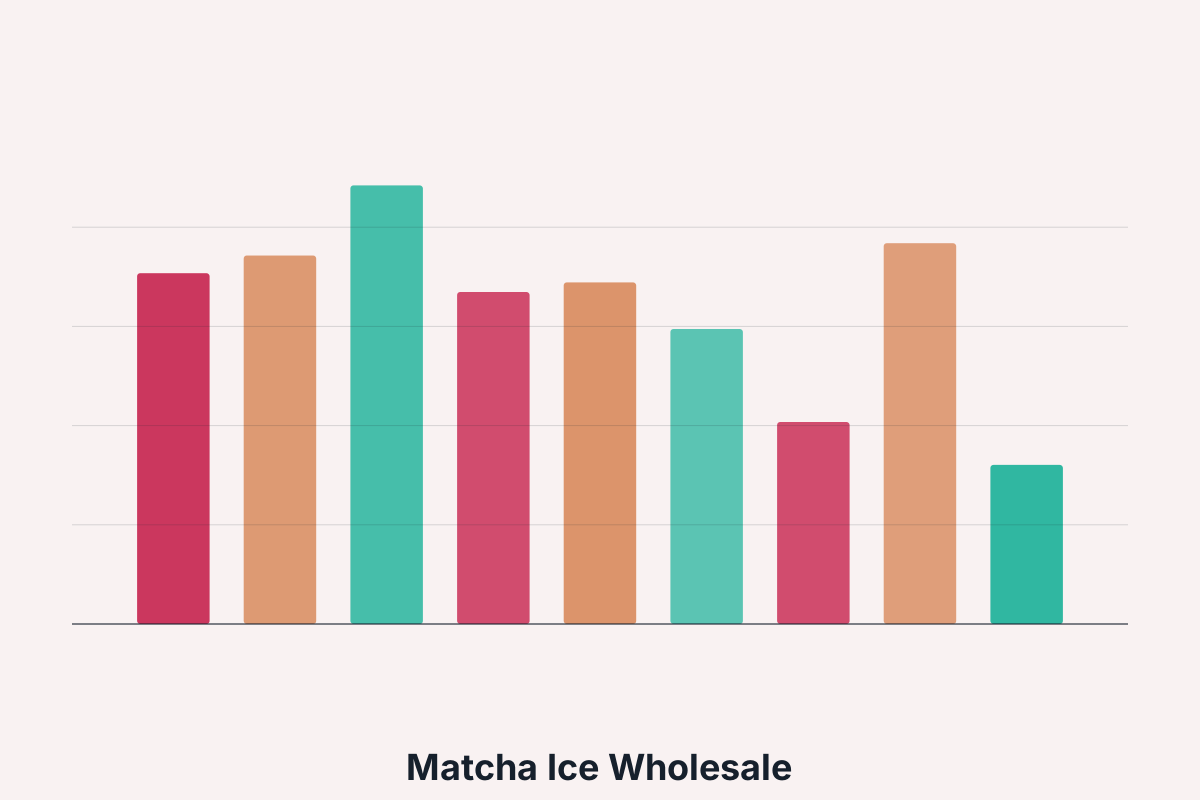
Indicative reference points for planning purposes: entry tier from USD 1.95 per unit at 500 units, mid tier at USD 1.06, and volume tier at USD 1.15 for full container quantities. These figures move with specification, packaging and freight, so treat them as a shape rather than a quote.
Practical Checklist
- Plan the switch from air to sea freight before you need it.
- Write the complaint threshold into the order terms.
- Model landed cost, not ex-works price, when comparing quotes.
- Rotate stock by batch code rather than by delivery date.
- Ask how the factory measures puff count, then compare like with like.
- Agree the tolerance band in writing before approving artwork.
Frequently Asked Questions
What information do you need to quote?
Target specification, approximate quantity, destination and any packaging requirement. With those four we can usually come back with a costed option the same working day rather than a request for more information.
What does a sample pack usually include?
A typical matcha ice sample pack covers the strengths or variants you are most likely to list, packed so you can evaluate them side by side. Tell us which lines you are considering and we will match the pack to that rather than sending a generic selection.
What happens if my market changes its rules?
Regulations move, and packaging or documentation sometimes has to follow. We keep approved artwork files on hand so that a required change is a reprint rather than a redesign, which keeps the cost and delay down.
How should matcha ice be stored?
Cool, dry and out of direct sunlight. Heat and light are the two things that shorten shelf life fastest. Rotate stock by batch code rather than by arrival date, and keep cartons off concrete floors in humid warehouses.
Can you match an existing product I already sell?
Often yes, provided we can measure it properly. Send a physical sample and we will report back on what can be matched, what will differ slightly, and why. An honest gap is more useful than a vague promise.
Next Step
Nobody wins when a first order is too large to learn from. Start with a mixed carton, check how it moves in your own market, then scale the lines that earned the shelf space.
Related Reading
- Matcha Ice Humidity Control in Coastal Warehouses — Entry-Level Price Points
- Matcha Ice Staff Training Notes for Store Teams — Regional Distributors
- Matcha Ice Customer Feedback Loops That Improve Reorders — Real Numbers Only
- Matcha Ice When to Add a Second Factory — Latin America
- How to Brief a Factory on Matcha Ice — Low Minimum Quantities
- Matcha Ice Market Demand: Reading the Numbers — Landed Cost Worked Through