 VapeWholesaleHub
Matcha Ice Factory Visit Preparation Checklist — EU Markets
A good matcha ice programme is boring in the best sense: same taste, same draw, same carton count, every single time. Getting there requires a shared vocabulary between you and the factory. Consider this page that vocabulary.
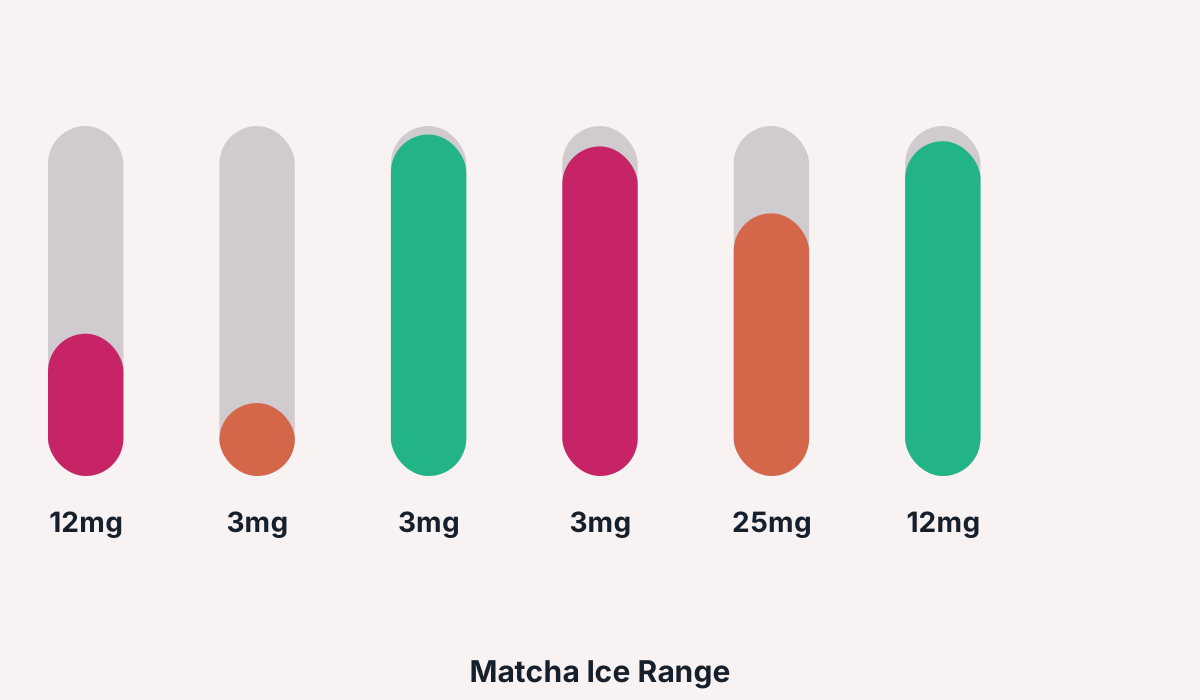
Where Matcha Ice Sits in the Range
Range decisions for matcha ice should start from shelf space, not from a supplier catalogue. Count the facings you actually have, then decide how many of them this line deserves against what it currently earns.
Before anything else, decide which customer you are buying matcha ice for. A convenience counter with limited shelf depth needs a tight range that turns quickly, while a specialist shop can carry a deeper ladder of options and educate buyers into higher ticket lines.
Modelling a Healthy Margin
When you model matcha ice pricing, build in a realistic shrink figure. Even a well run line loses a small percentage to damage, expiry and sampling. Pretending that number is zero is how a healthy looking margin turns negative.
Indicative reference points for planning purposes: entry tier from USD 1.15 per unit at 1000 units, mid tier at USD 1.28, and volume tier at USD 1.03 for full container quantities. These figures move with specification, packaging and freight, so treat them as a shape rather than a quote.
Reading a Matcha Ice Spec Sheet
A written matcha ice specification should be short enough to read in a minute and precise enough to argue about. If a factory cannot confirm a number in writing, assume the number is whatever is cheapest that week.
Ask for the matcha ice specification in the same units you intend to measure in. A metric quoted in a form you cannot verify on arrival is not a specification, it is a claim.
| Product category | Closed pod |
|---|---|
| Resistance band | 1.0 - 1.2 ohm |
| Capacity tolerance | +/- 2% |
| Puff count method | Declared by capacity |
| Master carton | 300 units |
| Carton weight | 6.2 kg |
| Shelf life | 18 months |
| Storage | 15-25 C, dry, away from direct light |
Where Demand Is Heading
One shift worth planning for: shorter matcha ice reorder cycles with smaller average drops. It favours suppliers with flexible production slots over those who only want large annual commitments.
Retailers report that matcha ice customers are asking more specific questions than they did two years ago. That favours ranges with clear, simple information over ranges with clever marketing.
How Matcha Ice Batches Are Checked
AQL sampling gets a lot of attention, but for matcha ice the more useful habit is simply measuring the same three things on every single batch. Trend lines catch problems that pass/fail checks miss.
Most defects in matcha ice are not dramatic. They are loose tolerances, a slightly thin seal, a mouthpiece that clicks. Left alone they turn into leak complaints, which are the single most common reason a retailer drops a line.
- Confirm the current customs classification with your own broker.
- Rotate stock by batch code rather than by delivery date.
- Agree the tolerance band in writing before approving artwork.
- Ask how the factory measures puff count, then compare like with like.
- Write the complaint threshold into the order terms.
Getting Matcha Ice to Your Warehouse
Split matcha ice shipments across two sailings when the order is large enough. It costs slightly more but removes the risk of a single event wiping out a full quarter of stock.

Practical Checklist
- Model landed cost, not ex-works price, when comparing quotes.
- Agree the tolerance band in writing before approving artwork.
- Plan the switch from air to sea freight before you need it.
- Keep sealed retained samples from every production batch.
- Ask how the factory measures puff count, then compare like with like.
- Confirm the current customs classification with your own broker.
Frequently Asked Questions
Can I visit the production facility?
Yes, and we encourage it for larger programmes. Visits are most useful when you already have a draft specification, because you can then check the specific processes behind the numbers you care about.
Do you provide compliance documents?
Every shipment leaves with the documentation set relevant to your market, including batch records and test reports where required. Your local rules still determine what you must file, so confirm those with your broker before import.
Can I mix strengths in one order?
In most cases yes, as long as each strength meets the minimum run length. Mixed strength cartons are popular with retailers building their first display because they show the full ladder without over committing.
Is there support for in-store material?
Yes. Shelf talkers, counter cards and simple planogram suggestions are available for matcha ice ranges that reach a sensible volume. Most retailers find the plain strength and flavour cards do the most work.
What if a batch does not match the sample?
Keep the retained samples from the approval stage. If a delivered batch measurably differs, we compare against the retained set and resolve it against the production record. This is why we insist on sealed retained units from every run.
Next Step
Whether you order from us or elsewhere, keep a retained sample from every batch. It costs almost nothing and it is the single most effective protection available to a matcha ice buyer.
Related Reading
- Matcha Ice Handling Product Recalls Professionally — Premium Shelf Programmes
- Matcha Ice Warranty Claims Workflow — Mixed Cabinets
- Matcha Ice Temperature Exposure During Transit — Three Price Tiers
- Matcha Ice Quality Control: Tests We Run Before Dispatch — Real Numbers Only
- Matcha Ice Working With a Local Compliance Partner — 2026 Edition
- Wholesale Matcha Ice: A Practical Buying Guide for Retailers — Cross-Border Trade