 VapeWholesaleHub
Matcha Ice Clearance Strategies That Protect Margin — Private Label Programmes
Buyers often ask us to explain why two matcha ice samples that look identical behave differently after a month. The answer is almost always tolerance control, and it is more interesting than it sounds.
Market Signals
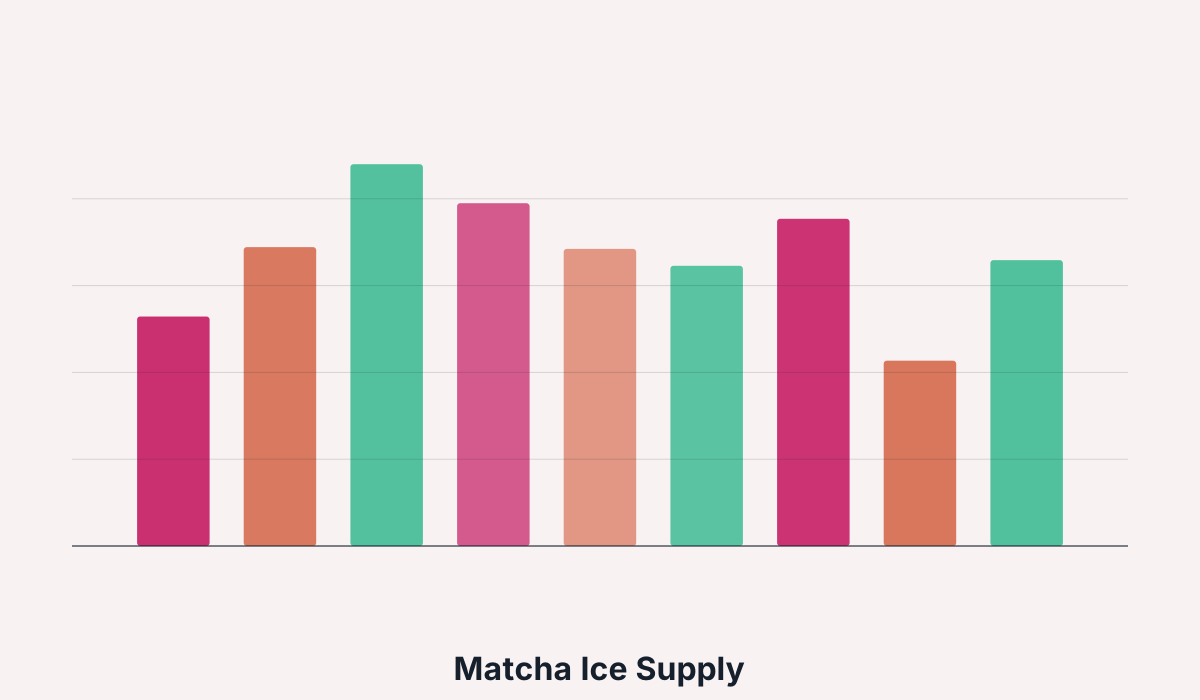
Flavour cycles in matcha ice are shortening, which argues for smaller test orders and faster feedback loops rather than large speculative buys on a predicted winner.
Demand for matcha ice has been steadily rebalancing. The early phase rewarded whoever could ship fastest; the current phase rewards whoever can ship the same thing twice. That shift favours buyers who invest in specification rather than price shopping.
Modelling a Healthy Margin
Discounting matcha ice to win shelf space tends to reset customer expectations permanently. Volume support in kind, such as display material, usually costs less in the long run.
When you model matcha ice pricing, build in a realistic shrink figure. Even a well run line loses a small percentage to damage, expiry and sampling. Pretending that number is zero is how a healthy looking margin turns negative.
Indicative reference points for planning purposes: entry tier from USD 2.21 per unit at 1000 units, mid tier at USD 0.82, and volume tier at USD 0.55 for full container quantities. These figures move with specification, packaging and freight, so treat them as a shape rather than a quote.
Selling Matcha Ice at Store Level
Online, shoot matcha ice at a consistent scale across the range. Customers compare by eye, and inconsistent product photography creates returns that have nothing to do with the product.
Inspection Before Dispatch
Random checks are fine, but weight the sample towards the start and end of a matcha ice production run. Those are where a line is most likely to drift.
Incoming inspection for matcha ice is not about opening boxes at random. We weigh a sample of cartons, check batch codes against the production record, run a draw resistance measurement, and log the results so that a complaint three months later can be traced to a specific run.
- Write the complaint threshold into the order terms.
- Keep sealed retained samples from every production batch.
- Model landed cost, not ex-works price, when comparing quotes.
- Start with a mixed carton and let your own sell-through decide.
- Ask how the factory measures puff count, then compare like with like.
Reading a Matcha Ice Spec Sheet
Revisit the matcha ice specification after every third order. Small improvements compound, and factories take a buyer more seriously when the document has clearly been used.
| Product category | Open system |
|---|---|
| Resistance band | 1.0 - 1.2 ohm |
| Capacity tolerance | +/- 3% |
| Puff count method | Machine cycle 2s on / 18s off |
| Master carton | 240 units |
| Carton weight | 8.7 kg |
| Shelf life | 24 months |
| Storage | 15-25 C, dry, away from direct light |

Practical Checklist
- Model landed cost, not ex-works price, when comparing quotes.
- Ask how the factory measures puff count, then compare like with like.
- Rotate stock by batch code rather than by delivery date.
- Confirm the current customs classification with your own broker.
- Check carton dimensions against your freight quote before confirming.
- Start with a mixed carton and let your own sell-through decide.
Frequently Asked Questions
How are price changes handled on repeat orders?
{K} pricing is reviewed against input costs and volume rather than adjusted casually. Any change is confirmed in writing before the next order is scheduled, with the reason stated so you can judge it yourself.
What information do you need to quote?
Target specification, approximate quantity, destination and any packaging requirement. With those four we can usually come back with a costed option the same working day rather than a request for more information.
Can I visit the production facility?
Yes, and we encourage it for larger programmes. Visits are most useful when you already have a draft specification, because you can then check the specific processes behind the numbers you care about.
Is there support for in-store material?
Yes. Shelf talkers, counter cards and simple planogram suggestions are available for matcha ice ranges that reach a sensible volume. Most retailers find the plain strength and flavour cards do the most work.
Next Step
Nobody wins when a first order is too large to learn from. Start with a mixed carton, check how it moves in your own market, then scale the lines that earned the shelf space.
Related Reading
- Matcha Ice Dual Sourcing Without Losing Consistency — North America
- Matcha Ice Product Testing Laboratories Explained — Real Numbers Only
- Comparing Matcha Ice Factory Tiers and What You Get — Convenience Retail
- Matcha Ice Humidity Control in Coastal Warehouses — Retail Chains
- Matcha Ice Display Ideas for Small Counters — Freight Included
- Matcha Ice Slow Moving Stock and Remedial Actions — UK and Ireland