 VapeWholesaleHub
Matcha Ice Chargeback Prevention for Retail Partners — Cross-Border Trade
We ship matcha ice to distributors in very different markets, and the same five questions come up almost every week. Rather than answer them in email each time, we have written them out properly here.
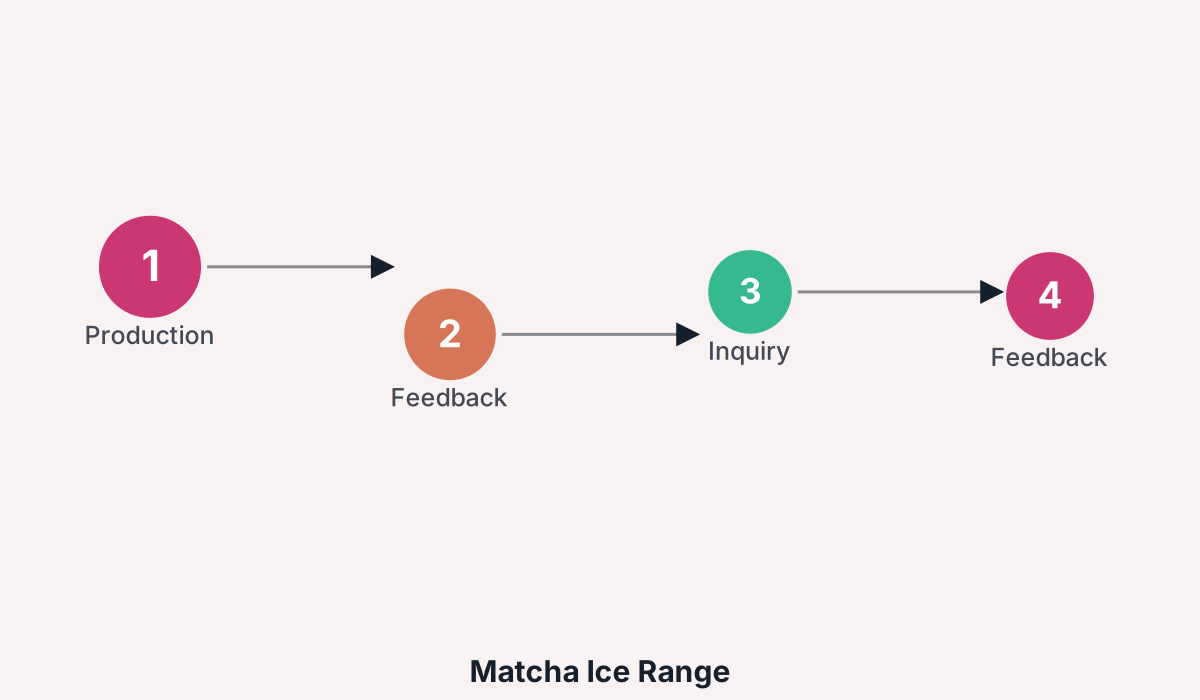
Positioning Matcha Ice on Your Shelf
Decide early whether matcha ice is a traffic driver or a margin line in your store. The answer changes how you price it, where you place it and how hard you push it at the counter.
Category data for matcha ice is noisier than it looks. Promotions, weather and local competition all move weekly numbers, so read three months at a time rather than reacting to a single week.
Turning Matcha Ice Into Repeats
Put matcha ice where the decision is made, not where the margin is highest. In most stores that means near the counter or at eye level in the category, rather than wherever there is spare space.
Bundle matcha ice with a complementary item rather than discounting it outright. The perceived value holds up better and the second item often becomes a repeat purchase on its own.
How Matcha Ice Batches Are Checked
Inspection is only useful if the result is recorded somewhere you can find it later. A matcha ice batch log with weights, codes and measurements turns a future complaint into a five minute lookup.
Most defects in matcha ice are not dramatic. They are loose tolerances, a slightly thin seal, a mouthpiece that clicks. Left alone they turn into leak complaints, which are the single most common reason a retailer drops a line.
- Check carton dimensions against your freight quote before confirming.
- Model landed cost, not ex-works price, when comparing quotes.
- Start with a mixed carton and let your own sell-through decide.
- Keep sealed retained samples from every production batch.
- Confirm the current customs classification with your own broker.
Reading a Matcha Ice Spec Sheet
When we write a matcha ice specification with a distributor, we fix four things first: the resistance band, the liquid capacity tolerance, the puff count methodology and the packaging master carton. Everything else can flex without changing the customer experience.
| Product category | Pod system |
|---|---|
| Resistance band | 0.8 - 1.0 ohm |
| Capacity tolerance | +/- 2% |
| Puff count method | Machine cycle 3s on / 27s off |
| Master carton | 400 units |
| Carton weight | 6.9 kg |
| Shelf life | 18 months |
| Storage | 15-25 C, dry, away from direct light |
Where Demand Is Heading
The matcha ice category is consolidating around suppliers who can document what they ship. Buyers who built that requirement into their process early are now finding it much easier to scale.
What Matcha Ice Really Costs Landed
The cheapest matcha ice quote is rarely the cheapest outcome. Add freight, defect handling, delay risk and the staff time spent chasing, then compare again. The ranking often changes.
When matcha ice input costs move, ask which component moved. A generic price increase hides whether you are paying for cells, packaging or simply a busy production calendar.
Indicative reference points for planning purposes: entry tier from USD 1.48 per unit at 2000 units, mid tier at USD 1.63, and volume tier at USD 0.80 for full container quantities. These figures move with specification, packaging and freight, so treat them as a shape rather than a quote.
Practical Checklist
- Check carton dimensions against your freight quote before confirming.
- Ask how the factory measures puff count, then compare like with like.
- Write the complaint threshold into the order terms.
- Agree the tolerance band in writing before approving artwork.
- Confirm the current customs classification with your own broker.
- Start with a mixed carton and let your own sell-through decide.
Frequently Asked Questions
Can you match an existing product I already sell?
Often yes, provided we can measure it properly. Send a physical sample and we will report back on what can be matched, what will differ slightly, and why. An honest gap is more useful than a vague promise.
What happens if my market changes its rules?
Regulations move, and packaging or documentation sometimes has to follow. We keep approved artwork files on hand so that a required change is a reprint rather than a redesign, which keeps the cost and delay down.
Do you provide compliance documents?
Every shipment leaves with the documentation set relevant to your market, including batch records and test reports where required. Your local rules still determine what you must file, so confirm those with your broker before import.
What is the usual minimum order for matcha ice?
For a standard production run the minimum is normally one master carton per flavour, though mixed cartons can be arranged for a first order. If you are testing the line, ask about a sample pack first and treat the freight as part of your research budget.
What if I only need a small first order?
That is normal and sensible. A mixed carton lets you test matcha ice in your own market before committing to a production run, and the specification you approve at that stage carries through to larger orders unchanged.
Next Step
Whatever you decide, decide it against numbers you can check on arrival. That single discipline removes most of the risk from importing matcha ice.
Related Reading
- Private Label Matcha Ice: Steps From Idea to Carton — the Middle East
- Matcha Ice Escalation Path When Something Goes Wrong — Oceania
- Matcha Ice Freight Options Compared: Air, Sea and Express — Updated for 2026
- Matcha Ice Cell and Chip Supply Constraints — Seasonal Demand Peaks
- Matcha Ice Approval Workflow From Sample to Shipment — the Buying Desk
- Matcha Ice Insurance and Cargo Cover Explained — Three Price Tiers